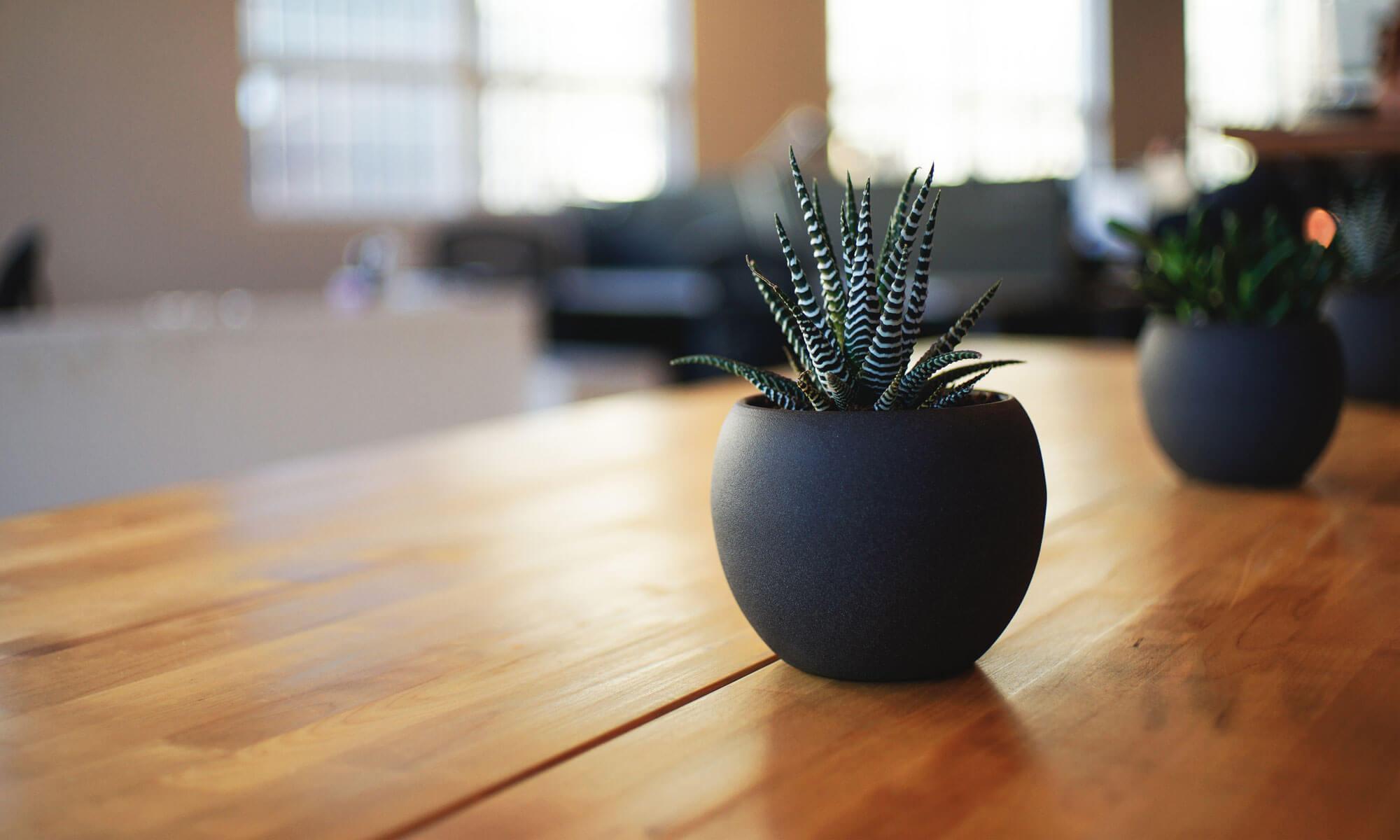
- Innovative design details elevate interiors with crystalroll and refined aesthetics
- Understanding the Crystalroll Technique
- Achieving Different Effects with Crystalroll
- The Benefits of Using Crystalroll in Interior Design
- Crystalroll vs. Other Textured Wall Finishes
- The Expanding Applications of Textured Surfaces
- Enhancing Brand Identity through Unique Wall Finishes
Innovative design details elevate interiors with crystalroll and refined aesthetics
The world of interior design is constantly evolving, with a persistent drive for innovative materials and textures that elevate spaces beyond the mundane. Amongst the emerging trends, a unique aesthetic is gaining traction, offering a subtle yet impactful way to refine interiors – a focus on textured surfaces and elegant detailing. This approach increasingly features the application of specialized rollers, tools designed to impart distinctive patterns and finishes to walls and other surfaces, bringing a new dimension to architectural expression. One such innovation is quickly becoming a favorite among designers and homeowners alike: crystalroll. This technique, and the tools used to achieve it, allows for the creation of sophisticated, tactile surfaces that capture light and add depth to any room.
The appeal of textured walls extends beyond mere visual interest. These finishes can cleverly disguise imperfections, providing a more forgiving surface than traditional smooth plaster or paint. They also offer excellent sound dampening qualities, enhancing the comfort and tranquility of a space. Modern design favors tactility; we want to feel the spaces we inhabit, and carefully chosen textures are a key component in achieving this. The move towards biophilic design, incorporating natural elements and textures, further fuels the demand for finishes that evoke organic forms and materials. This pushes designers to explore techniques that offer a handcrafted, artisanal quality, transforming interiors into personalized havens of style and comfort.
Understanding the Crystalroll Technique
The crystalroll technique is, at its core, a method of applying a textured finish to walls using a specialized roller. However, it’s far more nuanced than simply rolling paint onto a surface. The rollers themselves are often crafted from a durable, yet pliable material, featuring a unique pattern that’s transferred onto the wall as the roller moves across it. This pattern is typically reminiscent of crystalline structures, hence the name. The key to achieving a successful crystalroll finish lies in the skill of the applicator, their understanding of the material, and the evenness of their application. It requires a delicate touch and an eye for detail to avoid creating an overly busy or uneven surface.
Beyond the roller itself, the type of paint or coating used also plays a crucial role. Specialized paints formulated for textured finishes are recommended, as they possess the necessary viscosity and adhesion properties. These paints often contain fine particles that enhance the texture and create a subtle shimmer, adding to the overall aesthetic appeal. The color choice is also paramount, with lighter shades generally accentuating the texture more effectively than darker ones. It’s important to note that preparation is key; the walls must be properly primed to ensure optimal adhesion and a flawless final result. A smooth, clean surface is a prerequisite for showcasing the intricacies of the crystalroll pattern.
Achieving Different Effects with Crystalroll
One of the most compelling aspects of the crystalroll technique is its versatility. By varying the pressure applied, the speed of the rolling motion, and the angle of the roller, a wide range of different effects can be achieved. A lighter pressure will create a more subtle, delicate texture, while a firmer pressure will result in a more pronounced, three-dimensional finish. Experimenting with different roller patterns is also crucial; manufacturers offer a variety of designs, each producing a unique visual effect. Combining different techniques, such as layering multiple patterns or incorporating metallic accents, can create truly bespoke and artistic wall finishes.
Furthermore, the crystalroll technique isn't limited to walls alone. It can be used to add texture to ceilings, columns, and even furniture, offering a cohesive and visually striking design scheme. The possibilities are endless, allowing designers and homeowners to express their creativity and personalize their spaces in truly unique ways. The material’s durability also benefits its use in high-traffic areas, ensuring the aesthetic remains pristine for years to come.
| Roller Type | Texture | Best Used For | Paint Compatibility |
|---|---|---|---|
| Fine Crystal | Delicate, subtle pattern | Bedrooms, living rooms | Acrylic, latex |
| Deep Crystal | Bold, pronounced pattern | Feature walls, hallways | Specialty textured paints |
| Geometric Crystal | Modern, angular pattern | Contemporary spaces | Eggshell or satin finish paints |
| Organic Crystal | Natural, flowing pattern | Rustic or bohemian interiors | Matte finish paints |
The table above provides a general guideline for selecting the appropriate roller type based on the desired texture and application. However, it's always recommended to test the roller on a small, inconspicuous area before applying it to the entire surface.
The Benefits of Using Crystalroll in Interior Design
Incorporating the crystalroll technique into an interior design project offers a multitude of benefits, extending far beyond aesthetic appeal. This method introduces a tactile quality to walls that traditional paint simply cannot replicate, engaging the sense of touch and creating a more immersive experience. The subtle shimmer and play of light across the textured surface add depth and dimension to a room, making it feel more spacious and inviting. Importantly, the technique is relatively easy to learn, though mastering it requires practice and patience. This makes it a viable option for both professional decorators and DIY enthusiasts.
From a practical standpoint, crystalroll finishes are remarkably durable and easy to maintain. The textured surface helps to conceal minor imperfections and scratches, reducing the need for frequent touch-ups. Cleaning is also straightforward; a simple wipe with a damp cloth is typically sufficient to remove dust and dirt. Furthermore, the technique is environmentally friendly, as it often involves using water-based paints and minimal waste. This aligns with the growing demand for sustainable and eco-conscious design solutions.
- Enhanced Tactility: Creates a more engaging and immersive sensory experience.
- Increased Depth and Dimension: Adds visual interest and makes rooms feel larger.
- Durability and Low Maintenance: Resists scratches and is easy to clean.
- Versatility: Can be used on walls, ceilings, and furniture.
- Eco-Friendly: Often utilizes water-based paints and minimal waste.
- Hides Imperfections: Offers a forgiving surface that minimizes the appearance of flaws.
These benefits collectively contribute to the growing popularity of crystalroll as a design element, making it a worthwhile consideration for any interior renovation or new construction project.
Crystalroll vs. Other Textured Wall Finishes
While several textured wall finishes are available, crystalroll distinguishes itself through its unique aesthetic and application process. Compared to traditional stucco, which can appear coarse and rustic, crystalroll offers a more refined and elegant texture, resembling crystallized formations. Unlike wallpaper, which simply adheres a patterned surface to the wall, crystalroll creates a genuine, three-dimensional texture that's integrated into the wall itself. Other options, like Venetian plaster, require a high level of skill and expertise to apply correctly, whereas crystalroll is more accessible to both professionals and DIYers.
Another frequently used technique is sand texture, where sand is mixed with paint and applied to the wall. While offering a tactile element, sand texture can be prone to peeling and cracking over time. The crystalroll finish, when applied correctly with the appropriate paints, demonstrates superior durability and longevity. It’s also important to consider the cost-effectiveness of different options. Crystalroll, while requiring a specialized roller, often proves to be more affordable than professional Venetian plaster application or the installation of high-end textured wallpaper. Ultimately, the choice of finish will depend on the desired aesthetic, budget, and skill level of the applicator.
- Prepare the Surface: Ensure the wall is clean, smooth, and primed.
- Select the Roller: Choose a roller with the desired pattern and texture.
- Apply the Paint: Use a specialized textured paint formulated for crystalroll.
- Roll the Surface: Apply even pressure and maintain a consistent speed.
- Allow to Dry: Let the paint dry completely before applying a second coat, if desired.
- Seal the Finish: Apply a sealant to protect the texture and enhance its durability.
Following these steps ensures a professional-looking crystalroll finish that will enhance the beauty and value of any interior space. Proper preparation is the most important step in achieving a long-lasting result and should never be overlooked.
The Expanding Applications of Textured Surfaces
The increasing popularity of textures like crystalroll isn’t an isolated trend. It’s representative of a broader shift in design preferences towards surfaces that engage multiple senses and evoke a feeling of connection to the natural world. We are seeing this manifested in the growing demand for natural stone cladding, exposed brick walls, and reclaimed wood paneling. These materials all share a common characteristic: they offer a tactile experience that’s absent in smooth, homogenous surfaces. This trend has been further amplified by the rise of wellness design, which prioritizes creating spaces that promote physical and mental well-being. Textured surfaces contribute to this goal by fostering a sense of calm and grounding.
Looking ahead, we can expect to see even more innovative textured surface solutions emerge, incorporating new materials and technologies. Manufacturers are experimenting with bio-based polymers and recycled materials to create sustainable and eco-friendly options. Digital fabrication techniques, such as 3D printing, are also opening up exciting possibilities for creating customized textured surfaces with intricate patterns and designs. The future of interior design is undoubtedly textured, offering a dynamic and engaging aesthetic that celebrates the beauty of imperfection and the power of tactile experience.
Enhancing Brand Identity through Unique Wall Finishes
The application of specialized wall finishes, beyond residential contexts, is gaining traction in commercial spaces, particularly within the hospitality and retail sectors. Businesses are increasingly recognizing the power of creating memorable and immersive experiences for their customers. A uniquely textured wall, achieved through a technique like crystalroll, can contribute significantly to a brand’s identity and create a strong emotional connection with consumers. Imagine a boutique hotel lobby featuring a subtly textured wall that evokes the feeling of a natural cave, or a high-end retail store incorporating a geometric crystalroll pattern to create a modern and sophisticated ambiance. These are examples of how strategic use of texture can elevate a space and enhance the overall brand experience.
Furthermore, these finishes offer opportunities for storytelling. The texture itself can become a visual metaphor, communicating a brand's values and personality. A rough, organic texture might convey authenticity and craftsmanship, while a smooth, polished texture could suggest luxury and refinement. By carefully selecting the appropriate texture and color palette, businesses can create spaces that not only look beautiful but also resonate with their target audience on a deeper level. This integration of design elements with brand messaging is becoming increasingly vital in today’s competitive marketplace, where creating a distinct and memorable brand identity is paramount.