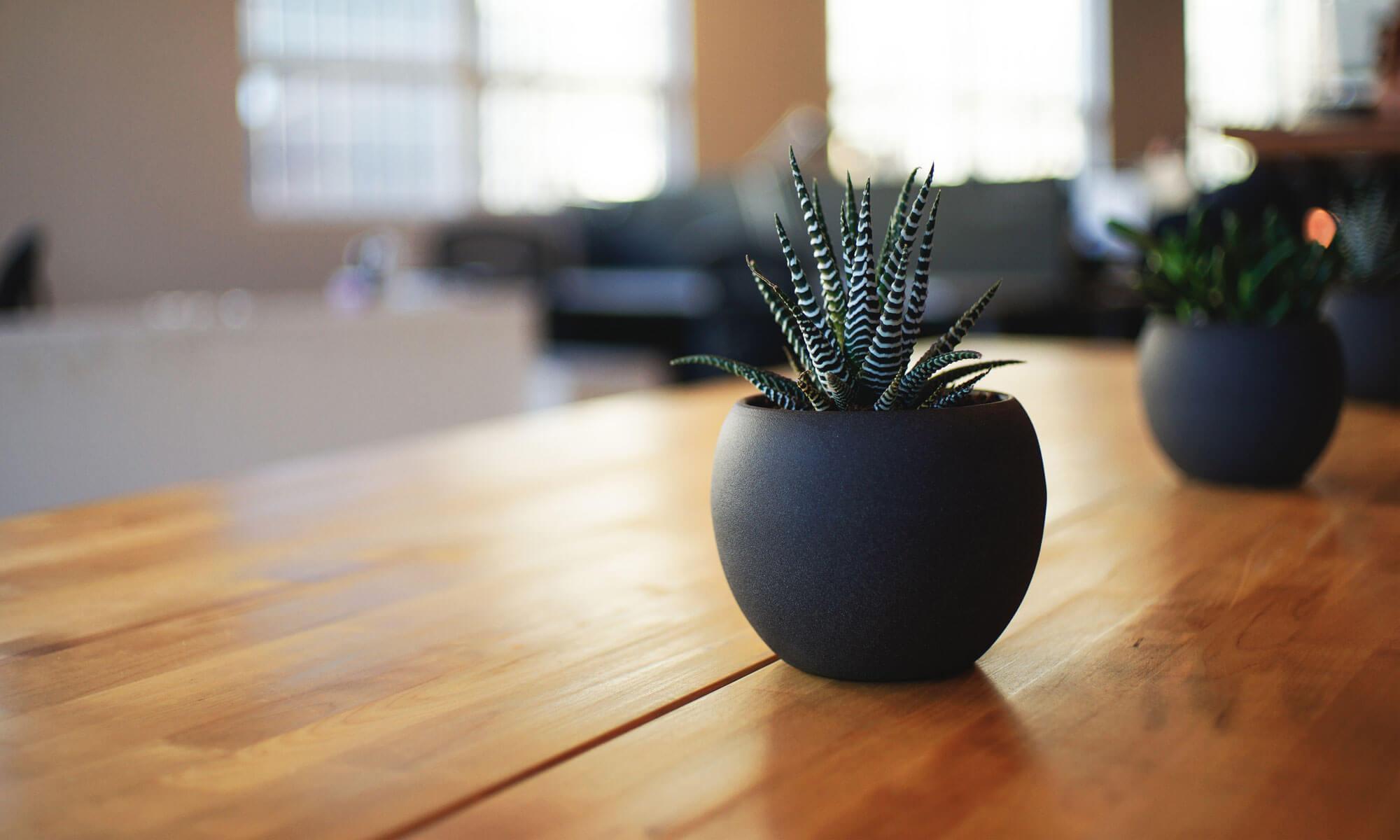
- Comfortable living spaces around thebonrushs.co.uk offer lasting design solutions
- Understanding Design Styles and Their Application
- The Role of Color Psychology in Interior Design
- The Importance of Lighting in Interior Spaces
- Choosing the Right Furniture for Your Space
- The Art of Accessorizing and Personalizing Your Home
- Sustainable and Eco-Friendly Interior Design Considerations
- Beyond Aesthetics: The Psychological Impact of a Well-Designed Space
Comfortable living spaces around thebonrushs.co.uk offer lasting design solutions
thebonrushs.co.uk. In the realm of comfortable and aesthetically pleasing living spaces, finding a resource that consistently delivers on both style and functionality can be a challenge. However, for those seeking lasting design solutions,
The modern approach to interior design often emphasizes personalization and adaptability. Gone are the days of rigidly defined styles; instead, there's a growing trend towards blending elements from different eras and cultures to create unique and harmonious spaces.
Understanding Design Styles and Their Application
One of the most significant aspects of creating a comfortable and aesthetically pleasing living space is a solid grasp of different design styles. From the sleek minimalism of Scandinavian design to the opulent grandeur of Victorian aesthetics, each style offers a distinct character and ambiance. Scandinavian design, characterized by clean lines, neutral palettes, and a focus on functionality, remains incredibly popular due to its ability to create bright and airy spaces. It emphasizes natural light and materials, fostering a sense of calm and tranquility. Conversely, Victorian design embraces ornate details, rich colors, and luxurious fabrics, creating a sense of drama and sophistication. Understanding the core principles of each style is crucial for making informed decisions about furniture selection, color schemes, and overall layout.
Beyond these established styles, there's a growing trend towards eclectic design, which involves thoughtfully combining elements from different styles to create a unique and personalized look. This approach requires a keen eye for balance and proportion, ensuring that the various elements complement each other rather than clash.
The Role of Color Psychology in Interior Design
Color plays a fundamental role in how we perceive and experience a space. Different colors evoke different emotions and can significantly influence our mood and behavior. For example, blue is often associated with calmness and tranquility, making it a popular choice for bedrooms and bathrooms. Yellow, on the other hand, is a cheerful and energizing color that can brighten up living areas and kitchens. Red is a bold and passionate color that can add a touch of drama to a space, but it should be used sparingly as it can also be overwhelming.
Understanding color temperature is also important. Warm colors (reds, oranges, and yellows) tend to create a cozy and inviting atmosphere, while cool colors (blues, greens, and purples) promote a sense of calmness and relaxation. The strategic use of color can also visually alter the perception of space, making a small room appear larger or a long, narrow room feel more balanced. Consider the natural light available in a room when choosing a color scheme. A room that receives plenty of natural light can handle bolder colors, while a darker room may benefit from lighter, brighter shades.
| Design Style | Key Characteristics | Suitable Room | Color Palette |
|---|---|---|---|
| Scandinavian | Minimalism, functionality, natural materials | Living Room, Bedroom | Neutral tones, whites, greys, light blues |
| Victorian | Ornate details, rich colors, luxurious fabrics | Dining Room, Study | Deep reds, emerald greens, gold accents |
| Modern | Clean lines, uncluttered spaces, geometric shapes | Any Room | Neutrals, blacks, whites, pops of color |
| Rustic | Natural textures, warm tones, handcrafted elements | Living Room, Kitchen | Earthy browns, greens, creams |
This table provides a quick reference guide to some popular design styles and their key characteristics. It's a starting point for exploring the vast world of interior design.
The Importance of Lighting in Interior Spaces
Lighting is often an overlooked aspect of interior design, yet it plays a crucial role in both the functionality and the ambiance of a space. Effective lighting can enhance architectural features, highlight artwork, and create a welcoming and comfortable atmosphere. There are three main types of lighting: ambient lighting (providing overall illumination), task lighting (focused on specific activities), and accent lighting (used to highlight focal points). The key is to layer these different types of lighting to create a balanced and visually appealing effect. For instance, ambient lighting can be provided by ceiling fixtures or recessed lights, while task lighting can be achieved with desk lamps or under-cabinet lights. Accent lighting can be used to showcase artwork or architectural details.
Consider the color temperature of your light bulbs as well. Warm white light (around 2700K) creates a cozy and inviting atmosphere, while cool white light (around 4000K) is more energizing and suitable for task areas. Dimmer switches are a valuable addition to any lighting scheme, allowing you to adjust the intensity of the light to suit different moods and activities. Natural light is also an important consideration. Maximize the amount of natural light that enters a room by using light-colored curtains or blinds and strategically placing mirrors.
Choosing the Right Furniture for Your Space
Selecting furniture that is both aesthetically pleasing and functional is critical to creating a comfortable and well-designed living space. Consider the size and layout of the room when choosing furniture. Avoid overcrowding a small room with bulky furniture; instead, opt for pieces that are proportional to the space. Think about the flow of traffic and ensure that there is enough space to move around comfortably. When choosing furniture, pay attention to the materials and construction. Investing in high-quality pieces that are built to last will save you money in the long run.
Consider the overall style of your home when choosing furniture. If you've opted for a minimalist design, choose furniture with clean lines and simple silhouettes. If you prefer a more traditional look, select pieces with ornate details and classic shapes.
- Prioritize functionality: ensure furniture serves a clear purpose.
- Consider scale and proportion: choose furniture that fits the room.
- Invest in quality: opt for durable materials and construction.
- Reflect your style: select pieces that complement your aesthetic.
- Plan the layout: think about traffic flow and conversation areas.
These points highlight essential considerations for selecting furniture that enhances both the aesthetics and functionality of your living space. Thoughtful furniture choice can transform a house into a home.
The Art of Accessorizing and Personalizing Your Home
Once you've established the foundation of your interior design with furniture and lighting, it's time to add the finishing touches with accessories and personal touches. Accessories, such as artwork, rugs, cushions, and decorative objects, can add personality, texture, and color to a space. Artwork is a powerful tool for expressing your individuality and creating a focal point in a room. Rugs can define a seating area and add warmth and comfort underfoot. Cushions and throws can add pops of color and texture to sofas and chairs.
Personalization is key to creating a home that truly reflects your personality and lifestyle. Displaying cherished photos, souvenirs from travels, and family heirlooms can add character and create a sense of connection and belonging. Don't be afraid to experiment and mix and match different styles and textures.
- Start with a neutral base: This provides a versatile backdrop for accessories.
- Choose a color scheme: This creates a cohesive look.
- Mix textures: This adds depth and interest.
- Don't be afraid to experiment: Try different arrangements and combinations.
- Personalize with meaningful items: Display objects that tell a story.
Following these steps will help you create a home that is both stylish and inviting, a true reflection of your personality.
Sustainable and Eco-Friendly Interior Design Considerations
As awareness of environmental issues grows, so too does the demand for sustainable and eco-friendly interior design solutions. This involves making conscious choices about the materials we use, the products we buy, and the energy we consume. Choosing furniture made from sustainable materials, such as bamboo, reclaimed wood, or recycled plastic, is a great way to reduce your environmental impact. Opting for energy-efficient lighting and appliances can also significantly reduce your carbon footprint. Supporting local artisans and businesses helps to promote sustainable practices within your community.
Beyond Aesthetics: The Psychological Impact of a Well-Designed Space
The benefits of a thoughtfully designed living space extend far beyond mere aesthetics. A well-designed environment can positively impact our psychological wellbeing, reducing stress, increasing productivity, and fostering a sense of calm and happiness. The careful selection of colors, textures, and lighting can influence our mood and emotions, creating a sanctuary where we can relax and recharge. Organized and clutter-free spaces promote a sense of calm and control, reducing anxiety and improving focus.
Consider a home office, for example. A dedicated workspace that is well-lit, comfortable, and organized can significantly enhance productivity and reduce stress levels. Similarly, a bedroom designed for relaxation, with soft lighting, comfortable bedding, and calming colors, can promote restful sleep.