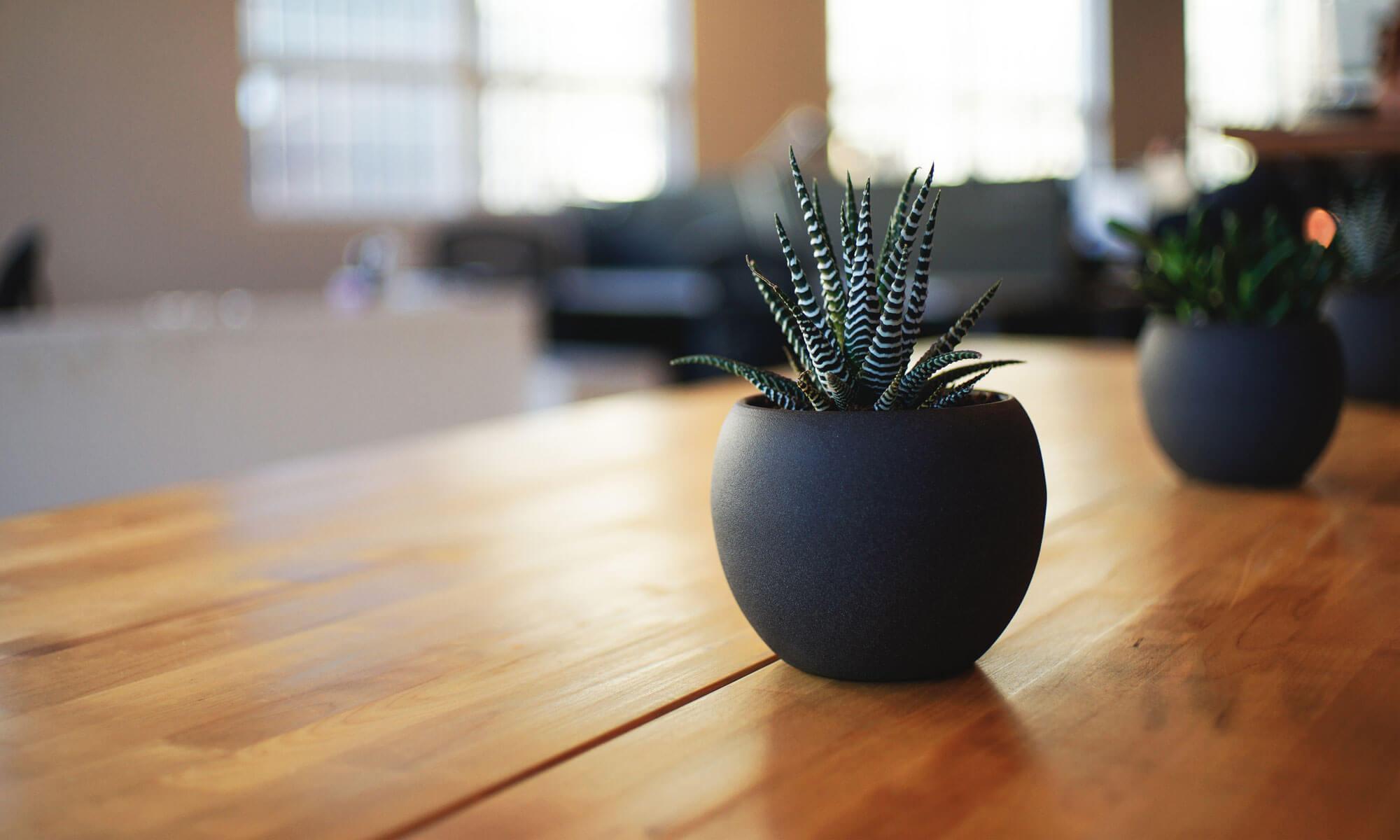
- Exceptional design choices featuring https://thespinkings.uk elevate any living space beautifully
- The Significance of Texture in Interior Décor
- Understanding Texture Categories
- The Impact of Lighting on Ambiance and Style
- Choosing the Right Light Fixtures
- The Power of Color Psychology in Home Design
- Applying Color Theory to Your Palette
- Incorporating Art and Personal Touches
- The Role of Sustainable and Ethical Design Practices
- Beyond Aesthetics: Designing for Lifestyle and Functionality
Exceptional design choices featuring https://thespinkings.uk elevate any living space beautifully
Creating a beautiful and functional living space is a desire shared by many, and the choices we make regarding interior design play a crucial role in achieving this goal. From the smallest decorative accents to the largest furniture pieces, every element contributes to the overall aesthetic and atmosphere of a home. Often, homeowners find themselves searching for unique and high-quality items that can truly elevate their décor. This is where exploring specialized retailers, like those offering exceptional design choices featuring https://thespinkings.uk, proves invaluable. Finding pieces that resonate with personal style and enhance the living environment can transform a house into a home.
The pursuit of perfect interior design isn’t simply about acquiring expensive items; it's about curating a space that reflects personality, provides comfort, and inspires. It involves considering factors such as color palettes, textures, lighting, and the overall flow of a room. Selecting the right accessories, artwork, and furnishings is key to creating a cohesive and inviting ambiance. A well-designed space can positively impact mood, productivity, and overall well-being. Therefore, investing time and effort into finding unique and quality pieces is an investment in a better quality of life, and a refined aesthetic can be achieved with careful planning and a discerning eye for detail.
The Significance of Texture in Interior Décor
Texture is a frequently underestimated element of interior design, yet it’s profoundly impactful. While color often takes center stage, texture adds depth, warmth, and visual interest to a room. It's a tactile element that engages the senses and contributes significantly to the overall feeling of a space. Incorporating a variety of textures – think rough-hewn wood versus smooth silk, or woven baskets alongside polished metal – creates a more dynamic and engaging environment. A room without textural variation can feel flat and uninviting, lacking the nuance that makes a space truly feel lived-in and comforting. The thoughtful layering of different textures is a hallmark of sophisticated interior design.
Understanding Texture Categories
Textures can be broadly categorized into three main types: visual texture, tactile texture, and applied texture. Visual texture refers to the illusion of texture created through patterns, shapes, and colors. Floral wallpaper, for example, provides visual texture without actually having a raised surface. Tactile texture, on the other hand, is experienced through touch—the roughness of a brick wall, the softness of a velvet cushion, or the coolness of marble. Applied texture involves adding elements specifically to create texture, such as textured paint, wallpaper with a raised pattern, or decorative molding. Understanding these distinctions is crucial for effectively incorporating texture into a design scheme to achieve a desired effect and enhance the overall aesthetic appeal.
| Texture Type | Description | Examples |
|---|---|---|
| Visual Texture | Illusion of texture created through visual design | Floral Wallpaper, geometric patterns, wood grain patterns |
| Tactile Texture | Texture experienced through touch | Velvet, brick, stone, woven fabrics |
| Applied Texture | Texture added to a surface | Textured paint, raised wallpaper, decorative molding |
Ultimately, incorporating a variety of these textures contributes to a richer, more complex, and ultimately more satisfying interior experience. A well-considered mix prevents monotony and adds layers of visual and tactile appeal.
The Impact of Lighting on Ambiance and Style
Lighting is arguably one of the most transformative elements in interior design. It's not merely about illumination; it’s about creating a mood, highlighting architectural features, and enhancing the overall aesthetic of a space. Different types of lighting serve different purposes—ambient lighting provides general illumination, task lighting focuses light on specific activities, and accent lighting draws attention to particular objects or areas. A well-designed lighting scheme combines these three types to create a layered and versatile environment. Homes often benefit from incorporating dimmers to allow for adjusting the intensity of light to suit various activities and times of day. Properly chosen lighting can completely alter the perception of space and color, influencing the way a room feels and functions.
Choosing the Right Light Fixtures
Selecting the right light fixtures is as important as understanding the different types of lighting. Consider the style of your décor when choosing fixtures—a modern space might call for sleek and minimalist designs, while a traditional home might benefit from more ornate and classic pieces. Pay attention to the color temperature of the bulbs as well. Warmer tones create a cozy and inviting atmosphere, while cooler tones are better suited for task lighting and creating a more energetic environment. Layering different types of fixtures, like recessed lighting, pendant lights, and table lamps, provides maximum flexibility and ensures that every area of the room is adequately and appropriately illuminated. Exploring options from retailers like https://thespinkings.uk can offer unique and stylish solutions.
- Ambient Lighting: Provides overall illumination. Examples: Recessed lights, chandeliers.
- Task Lighting: Focuses light on specific areas. Examples: Desk lamps, under-cabinet lighting.
- Accent Lighting: Highlights specific objects or features. Examples: Track lighting, spotlights.
- Color Temperature: Warm tones (2700K-3000K) create a cozy atmosphere; cool tones (3500K-5000K) are better for task lighting.
It's also important to think about energy efficiency when selecting light bulbs, with LED options offering significant savings and longevity without compromising on quality.
The Power of Color Psychology in Home Design
Color has a profound psychological impact on our emotions and behaviors. In interior design, understanding color psychology is essential for creating spaces that evoke the desired feelings and promote well-being. Different colors are associated with different moods and sensations; for example, blue is often associated with calmness and tranquility, while red is linked to energy and excitement. Green is commonly associated with nature and renewal, while yellow evokes feelings of happiness and optimism. The careful selection of color palettes can therefore significantly impact the overall atmosphere of a room. Considering the function of a space is critical when choosing colors – a bedroom should prioritize calming shades, while a home office might benefit from more stimulating hues.
Applying Color Theory to Your Palette
Color theory provides a framework for understanding how different colors interact with each other. Complementary colors—those opposite each other on the color wheel—create high contrast and visual excitement. Analogous colors—those adjacent to each other—create a harmonious and soothing effect. Understanding these relationships allows you to create color schemes that are both visually appealing and emotionally resonant. Neutral colors, such as white, gray, and beige, provide a versatile backdrop for incorporating bolder accents. Choosing the right undertones in neutrals can also impact the overall feel of a space; warm grays create a cozy atmosphere, while cool grays feel more modern and sophisticated. The integration of color is a fundamental aspect of interior design, shaping the mood and personality of a home.
- Identify the desired mood for the space.
- Choose a dominant color based on the desired mood.
- Select complementary or analogous colors for accents.
- Consider the impact of neutral undertones.
Experimenting with different color combinations and shades is crucial in finding the perfect palette for your unique aesthetic preferences.
Incorporating Art and Personal Touches
A house becomes a home when it reflects the personality and passions of its inhabitants. Incorporating art and personal touches is essential for creating a space that feels truly lived-in and meaningful. Artwork, whether paintings, sculptures, or photographs, adds visual interest, sparks conversation, and expresses individual style. Displaying cherished mementos, travel souvenirs, and family heirlooms adds layers of personal history and creates a sense of connection to the past. Curating a collection of objects that hold personal significance transforms a space from simply functional to emotionally resonant. Don't be afraid to mix and match different styles and eras; the key is to create a cohesive look that reflects your unique taste and experiences.
The Role of Sustainable and Ethical Design Practices
In today's world, conscious consumerism is becoming increasingly important, and the realm of interior design is no exception. Sustainable and ethical design practices are gaining prominence as homeowners seek to minimize their environmental impact and support responsible production methods. This involves choosing eco-friendly materials, such as reclaimed wood, bamboo, and organic fabrics. It also means supporting brands that prioritize fair labor practices and minimize waste. Investing in durable and timeless pieces, rather than disposable trends, is a key aspect of sustainable design. By making informed choices about the products we bring into our homes, we can contribute to a more sustainable and equitable future, while simultaneously creating beautiful and comfortable living spaces. Exploring retailers who champion these values, such as those with offerings that align with sustainable principles like https://thespinkings.uk, is a positive step towards eco-conscious living.
Beyond Aesthetics: Designing for Lifestyle and Functionality
While aesthetics are undeniably important, it’s crucial to remember that a truly successful interior design prioritizes lifestyle and functionality. A beautifully decorated space is useless if it doesn’t meet the practical needs of the people who live there. Consider how you actually use each room and design accordingly. For example, a family with young children will have different requirements than a single professional. Prioritize durability, ease of maintenance, and practicality when selecting furniture and materials. Optimize the layout of a room to facilitate flow and maximize functionality. Storage solutions are essential for keeping clutter at bay and maintaining a sense of order. Thoughtful design considers not only how a space looks, but also how it feels to live in and how effectively it supports daily life. A space designed with both beauty and practicality in mind will ultimately be more enjoyable and fulfilling.
Ultimately, the goal of interior design is to create spaces that enhance our lives, promote well-being, and reflect our unique personalities. By considering the principles discussed above – texture, lighting, color, personal touches, sustainability, and functionality – we can transform our houses into homes that are both beautiful and meaningful. Continual learning and exploration of new trends and ideas will ensure that our living spaces remain fresh, inspiring, and truly reflective of who we are.