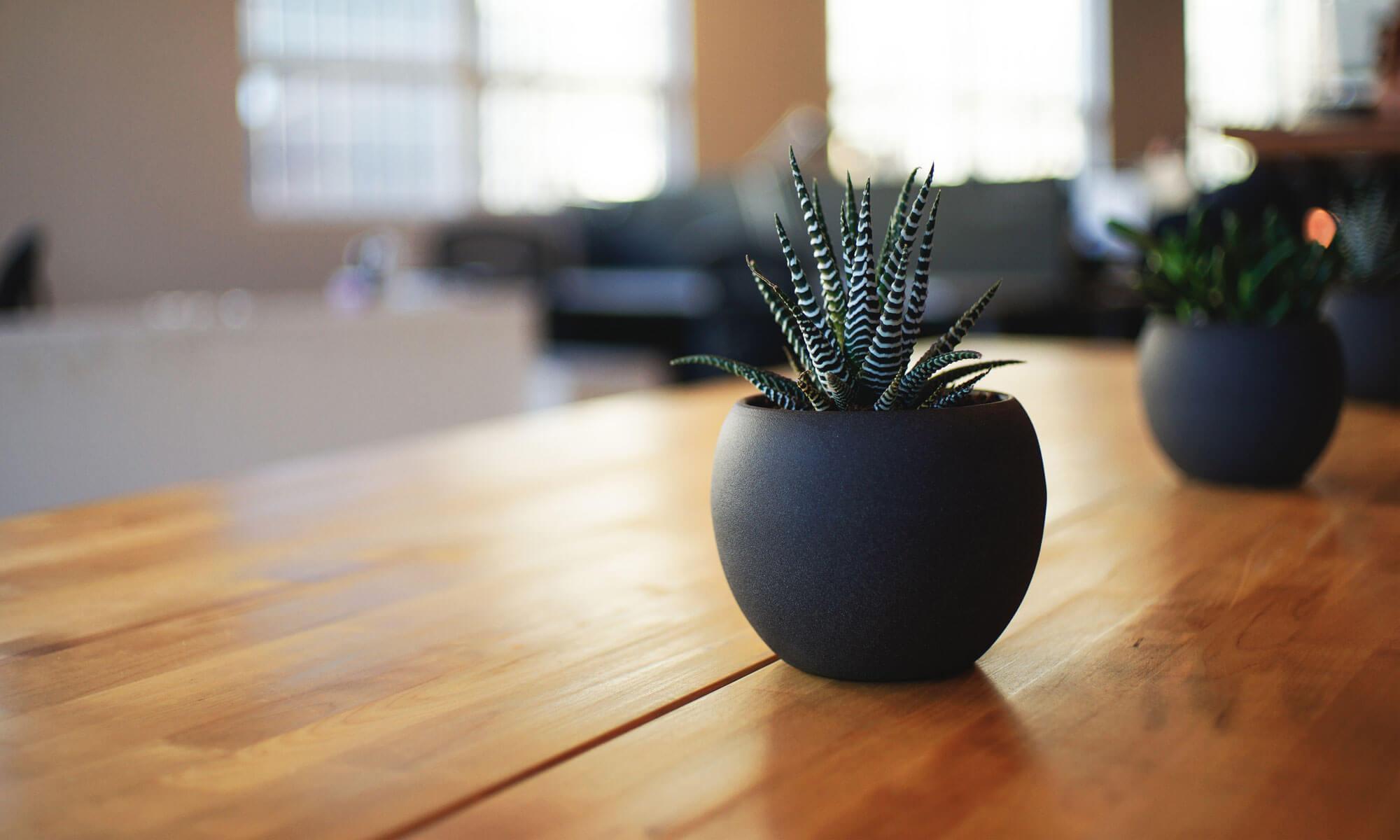
- Elegant interiors and https://wrenandmoss.co.uk inspire timeless, relaxed living spaces
- The Core Aesthetic: Timelessness and Relaxation
- The Importance of Neutral Palettes
- Creating Texture and Depth
- The Role of Natural Materials
- Lighting as a Mood Setter
- Layering Different Light Sources
- Integrating Vintage and Antique Pieces
- Beyond Decoration: Cultivating a Lifestyle
Elegant interiors and https://wrenandmoss.co.uk inspire timeless, relaxed living spaces
Creating a home that feels both stylish and relaxing is a goal for many, and finding the right inspiration is often the first step. Many homeowners are turning to brands that embody a specific aesthetic, one that feels timeless yet modern, and effortlessly chic. https://wrenandmoss.co.uk has emerged as a significant influence in this arena, offering a curated collection of furniture, lighting, and décor that speaks to a sophisticated, laid-back lifestyle. The appeal isn’t just about acquiring beautiful objects; it’s about cultivating a feeling, a sense of calm and understated elegance that permeates the living space.
This approach to interior design moves away from fleeting trends and focuses instead on quality, craftsmanship, and pieces that will endure. It’s about creating rooms that feel lived-in and welcoming, rather than overly staged or showroom-perfect. Wren and Moss represent a particular sensibility – one that blends rustic charm with contemporary lines, and a palette of muted colors with textural richness. This philosophy resonates with people seeking a respite from the hustle and bustle of modern life, a sanctuary where they can truly unwind and recharge. Exploring their offerings can unlock ideas for transforming houses into genuine homes.
The Core Aesthetic: Timelessness and Relaxation
The cornerstone of the aesthetic championed by Wren and Moss is a commitment to timeless design. This doesn’t mean eschewing contemporary elements, but rather integrating them in a way that feels organic and enduring. Instead of chasing the latest fads, they focus on pieces that possess a classic quality, drawing inspiration from various periods and styles—mid-century modern, farmhouse, and Scandinavian design all contribute to the overall blend. The result is a look that feels both familiar and fresh, avoiding the pitfalls of becoming dated quickly. Materials play a critical role here, with a preference for natural elements like wood, linen, and wool, adding warmth and texture to the overall scheme. The emphasis is on tactile experiences, encouraging a sense of comfort and wellbeing within the home.
The Importance of Neutral Palettes
A key element in achieving that relaxed and timeless feel is the careful use of color. Wren and Moss often employ a neutral palette as a base, incorporating shades of cream, beige, gray, and white. These tones provide a calming backdrop, allowing the textures and forms of the furniture and décor to take center stage. Accents of color are often introduced through artwork, cushions, or rugs, but are generally kept subdued and harmonious. This approach creates a sense of continuity throughout the home, fostering a feeling of serenity and balance. The thoughtful layering of different neutral tones prevents the space from feeling flat or monotonous, adding depth and visual interest.
| Element | Typical Material | Color Palette | Style Influence |
|---|---|---|---|
| Upholstery | Linen, Wool, Cotton | Cream, Beige, Gray | Scandinavian |
| Wood Furniture | Oak, Walnut, Pine | Natural, Lightly Stained | Farmhouse, Mid-Century Modern |
| Lighting | Metal, Glass | Matte Black, Brass | Industrial, Contemporary |
| Decorative Accents | Ceramics, Woven Baskets | Earthy Tones, Muted Colors | Bohemian, Rustic |
The table above demonstrates the typical characteristics of the interior design style influenced by Wren and Moss. It's a style that isn't about rigid rules but a harmonious blend of materials, colors and styles, resulting in relaxing, inviting living spaces.
Creating Texture and Depth
While a neutral palette provides a foundation, the true art of achieving the Wren and Moss aesthetic lies in layering textures. This involves combining different materials and finishes to create visual interest and depth within a room. Think of pairing a linen sofa with a chunky knit throw, a woven rug with a smooth wooden coffee table, and ceramic vases with textured artwork. These contrasting elements prevent the space from feeling sterile or monotonous, adding a sense of warmth and inviting exploration. Texture isn’t just about visual appeal; it also engages the tactile senses, making the home feel more comfortable and welcoming. The aim is to create a space that feels both visually stimulating and physically soothing.
The Role of Natural Materials
Natural materials are absolutely critical to this aesthetic. Wood, stone, linen, wool, and cotton all bring a sense of authenticity and grounding to the space. They also connect the interior with the outdoors, creating a more harmonious and relaxing atmosphere. Choosing furniture and décor made from sustainable and ethically sourced materials further enhances the feeling of wellbeing. Even small details, like a wooden bowl filled with fruit or a linen tablecloth, can contribute to the overall effect. The inherent variations in natural materials—the grain of the wood, the weave of the linen—add character and uniqueness to the room, making it feel truly lived-in.
- Invest in quality linen bedding and curtains for a relaxed, airy feel.
- Layer rugs with different textures and patterns to add warmth and visual interest.
- Incorporate natural wood furniture in various shades and finishes.
- Add woven baskets and storage containers for a touch of rustic charm.
- Use ceramic vases and pottery to bring texture and color to the space.
These simple additions, inspired by the aesthetic of brands like Wren and Moss, can dramatically improve the overall feel of a room, creating a space that is both stylish and inviting. The intentional use of these elements fosters a tranquil, harmonious atmosphere.
Lighting as a Mood Setter
Lighting is often overlooked, but it plays a crucial role in shaping the mood and atmosphere of a home. Wren and Moss-inspired interiors typically prioritize soft, ambient lighting over harsh overhead fixtures. This is achieved through a combination of floor lamps, table lamps, and candles, creating a warm and inviting glow. Dimmer switches are essential, allowing you to adjust the brightness to suit the time of day and your mood. The choice of lampshades is also important, with linen or cotton shades diffusing the light and creating a softer effect. Strategic placement of lighting can also highlight specific features of the room, such as artwork or architectural details. By carefully considering the lighting scheme, you can transform a space into a truly relaxing and inviting sanctuary.
Layering Different Light Sources
The key to effective lighting is layering different sources to create depth and dimension. Start with ambient lighting—soft, general illumination that fills the room. Then, add task lighting—focused light for specific activities, such as reading or cooking. Finally, incorporate accent lighting—used to highlight particular features or create a dramatic effect. For example, you might use a floor lamp to illuminate a reading nook, a pendant light over a dining table, and spotlights to showcase artwork. By combining these different types of lighting, you can create a space that is both functional and aesthetically pleasing. The goal is to create a comfortable and inviting atmosphere, avoiding harsh shadows and glare.
- Start with ambient lighting to create a general glow.
- Add task lighting for focused activities like reading or working.
- Incorporate accent lighting to highlight artwork and architectural features.
- Use dimmer switches to control the brightness and mood.
- Choose warm-toned light bulbs for a cozy and inviting atmosphere.
Following these steps will ensure your lighting enhances the relaxed and inviting aesthetic associated with brands like Wren and Moss. Thoughtful illumination is a powerful tool for setting the desired mood in your home.
Integrating Vintage and Antique Pieces
Adding vintage and antique pieces is a fantastic way to infuse personality and character into a space. These items often possess a unique history and charm that cannot be replicated with new furniture. Wren and Moss frequently incorporate vintage finds into their designs, blending them seamlessly with contemporary elements. This creates a layered and eclectic look that feels both curated and comfortable. Thrift stores, flea markets, and antique shops are excellent sources for finding unique treasures. Don’t be afraid to mix and match different styles and periods—the key is to choose pieces that you love and that complement the overall aesthetic. A vintage rug, an antique mirror, or a reclaimed wood coffee table can all add a touch of history and sophistication to a room.
The beauty of integrating vintage items lies in their ability to tell a story and add a sense of individuality to your home. They are also often more sustainable than buying new furniture, reducing your environmental impact. Repurposing older pieces can also be a creative and rewarding way to express your personal style. Before purchasing a vintage item, be sure to inspect it carefully for any damage or repairs that may be needed. A little bit of restoration can often bring a forgotten treasure back to life, adding a unique and timeless element to your interior.
Beyond Decoration: Cultivating a Lifestyle
The influence of Wren and Moss extends beyond simply decorating a home—it's about embracing a particular lifestyle. This lifestyle prioritizes simplicity, mindfulness, and connection with nature. It’s reflected in the choices we make about how we live, from the food we eat to the activities we pursue. Creating a home that supports this lifestyle involves decluttering, simplifying your surroundings, and focusing on experiences rather than possessions. It's about creating a space that feels restorative and nourishing, a sanctuary where you can escape the stresses of modern life. This means incorporating elements like plants, natural light, and comfortable seating areas that encourage relaxation and connection.
Thinking about how you live in your space, rather than how it looks, is a more profound shift in focus. Consider the flow of movement, the opportunities for social interaction, and the moments of quiet reflection. The careful curation of a home towards this end follows the subtle, impactful principles that inform the work of brands like Wren and Moss. It’s about crafting a setting that elevates the everyday, and cultivating a sense of wellbeing that extends to all aspects of life.